--ADVERTISEMENT--
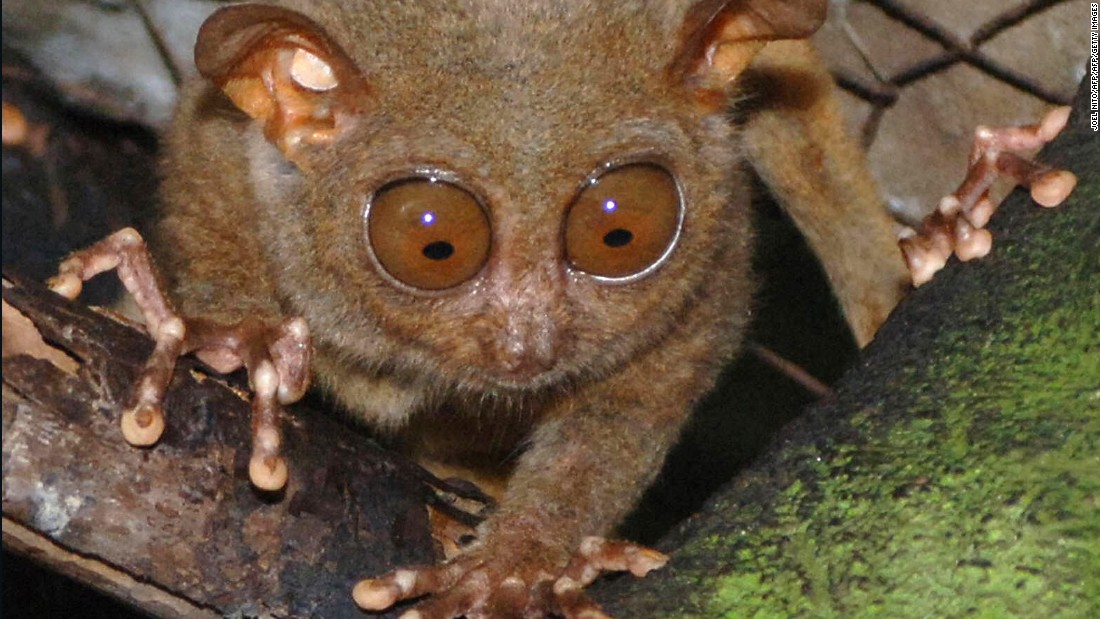
Nocturnal noms: A tarsier sets its eyes on dinner. The animals spend all night hunting, then sleep during the day.
In tarsier territory
In the town of Corella on Bohol Island, the Philippine Tarsier Foundation set up shop in 1996, aiming to provide a natural habitat for the animals and an opportunity to study their behavior.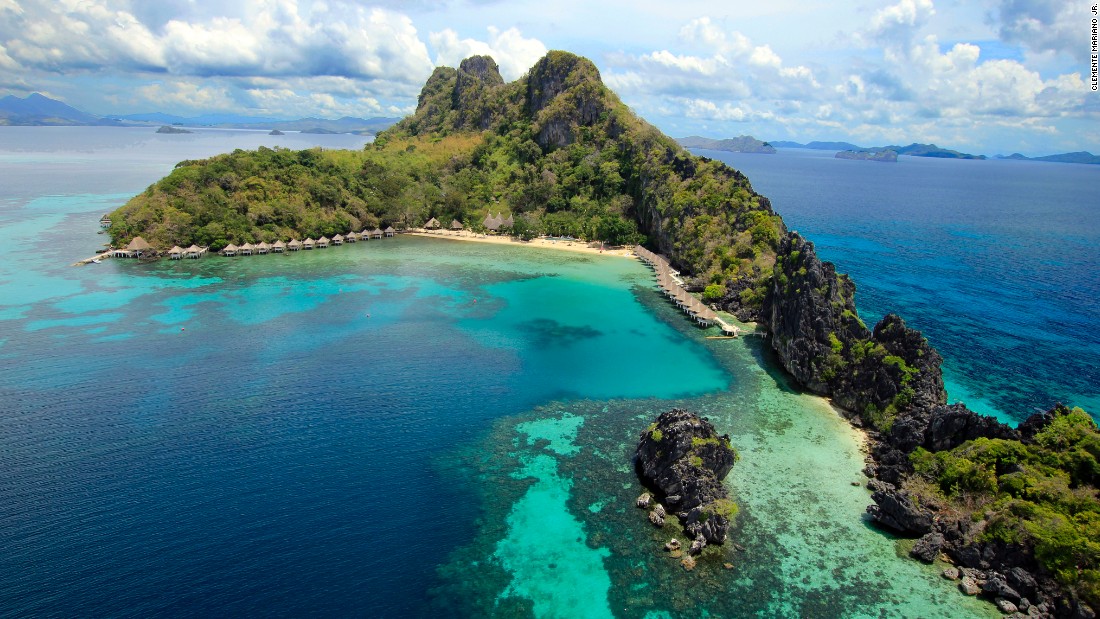 Luxury travel: The most remote resorts in the PhilippinesThe Foundation looks after roughly 100 of these animals across an 8.4-hectare forested sanctuary, with one open observational enclosure that allows tarsiers to come and go as they please."Since tarsiers are so rare, many people try to exploit them -- turning tarsiers into an attraction," explains Cabillo."Thousands of tourists come to Bohol to see these creatures every year. But they're often under stressful and unnatural conditions. They're being shown off during the day, when they should be sleeping."If the animals are up all day, they can't hunt at night, which causes a destructive cycle."They'll be hungry and unhappy, and struggle to reproduce," says Cabillo. "The less the human intervention for the tarsiers, the better."
 Life of a tarsier
A trek through the sanctuary will reward travelers with a glimpse of these quirky animals without disturbing them, thanks to expert tarsier spotters who know their habits.By day, they'll likely be lazing around in the trees, resting after an active night of hunting.--ADVERTISEMENT--
Like a tiny lion
The diminutive primate might seem soft and cuddly, but it isn't as sweet as it looks."Male tarsiers are very territorial," explains Cabillo. "If a male trespasses on another's territory, they will fight to the death."
--ADVERTISEMENT--